Paideia’s adult education workshops are designed as practical learning interventions for adults of different ages, social backgrounds and educational paths. Their shared aim is to strengthen basic skills, social and digital inclusion, personal development and access to learning opportunities that respond to the real needs of everyday, social and professional life.
All workshops follow the principles of adult education, with experiential and practical methods adapted to the needs of each group. On completion of each workshop, a certificate of attendance is provided, which requires participation in at least eighty percent of the sessions and states the theme, the duration and the main learning units.
OVERVIEW
Cultural heritage is often perceived as something distant, a matter for specialists or a reason for tourism. This workshop proposes a different perspective, one that links heritage to identity, memory and the everyday life of the community. It helps adults recognise the value of their local heritage and take a more active part in caring for and promoting it.
DURATION
12 hours, in 3 sessions of 4 hours.
CERTIFICATE
A certificate of attendance is awarded, provided the participant takes part in at least eighty percent of the sessions.
NEED ADDRESSED
In many local communities, knowledge of history and care for the cultural heritage remain the concern of a few, while the wider community stays on the margins. At the same time, the coexistence of people with different backgrounds makes the need for shared points of reference and mutual understanding more pressing. The workshop responds to this twofold challenge, strengthening both the residents’ bond with their place and the dialogue between different communities.
EDUCATIONAL AIM
The aim of the workshop is to shift the participants’ relationship with cultural heritage from passive observation to active involvement. It seeks to give them both the understanding and the motivation to engage in initiatives within their community.
WHO IS IT FOR
It is addressed to adults who wish for a more meaningful relationship with their place and its history. Residents of small or remote areas with limited access to cultural infrastructure benefit in particular, as do people with a migrant background seeking bridges with the local community. The workshop is also of interest to association volunteers and professionals in culture and tourism who want to deepen their field.
KEY LEARNING UNITS
• The forms of cultural heritage, tangible, intangible and natural
• Cultural identity and collective memory
• Local history as a bond of the community
• Cultural heritage and sustainable tourism
• Digital tools for promoting cultural content
• From knowledge to action, forms of active participation
• Designing a small local promotion initiative
TRAINING METHOLOGY
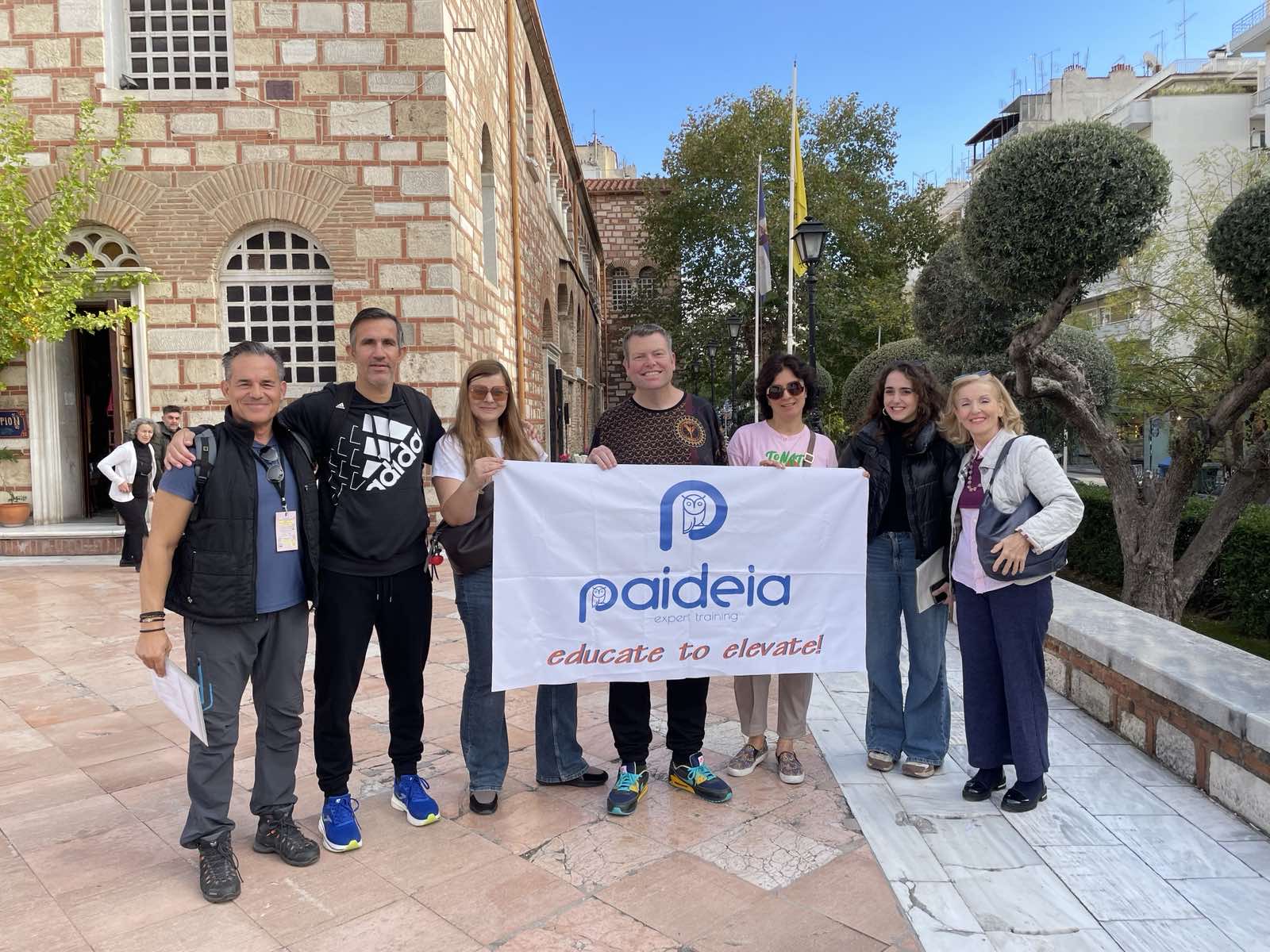
The workshop combines short presentations with methods that actively engage participants, such as case studies, discussion and cultural mapping. Where feasible, visits to sites of cultural interest are included, so that learning connects directly with the real place.
EXPECTED LEARNING OUTCOMES
When the workshop is completed, participants recognise the different forms of cultural heritage and understand their connection with identity and community. They are able to identify ways of protecting and promoting the local heritage and have shaped a concrete proposal for action in their area.
ASSESSMENT
The assessment of learning rests on participation and practical application rather than formal examination. As participants work through the mapping exercises and gradually shape their action plan, their development becomes visible. The completed proposal they present at the end reflects what they have achieved, while discussion and a short satisfaction questionnaire support the improvement of future cycles.
MORE INFORMATION
Contact us at contact@paideiaexperttraining.com for information about the program requirements, available implementation dates and participation costs.
